
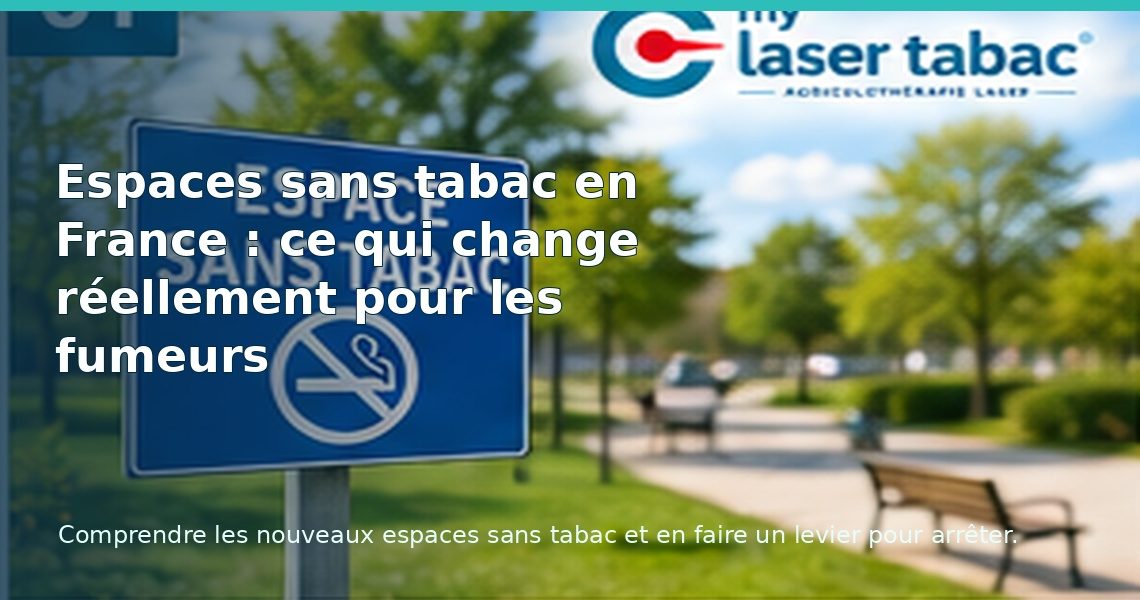
The topic “Smoke-Free Zones in France: What’s Really Changing for Smokers” lies at the heart of current developments related to tobacco and nicotine. It concerns smokers, their loved ones, and professionals seeking to better prevent addiction. Behind the headlines, one question keeps coming up: How can we turn information into useful and lasting decisions?
This article offers a clear analysis, practical advice, and a balanced overview of support options. The goal is neither to make readers feel guilty nor to promise automatic results, but to provide them with reliable guidance to help them regain control.
Why Smoke-Free Areas Are on the Rise
Smoke-free zones serve three complementary purposes: to protect nonsmokers, to reduce children’s exposure to secondhand smoke, and to curb the normalization of smoking. In a park, near a school, or on a beach, smoke does not always stay confined to the person who is smoking. It can be a nuisance, cause irritation, and subject others to exposure they did not choose.
These measures are also changing social norms. For a long time, cigarettes were a common sight in everyday life. Making them less visible in family settings helps change the image of tobacco, especially among young people.
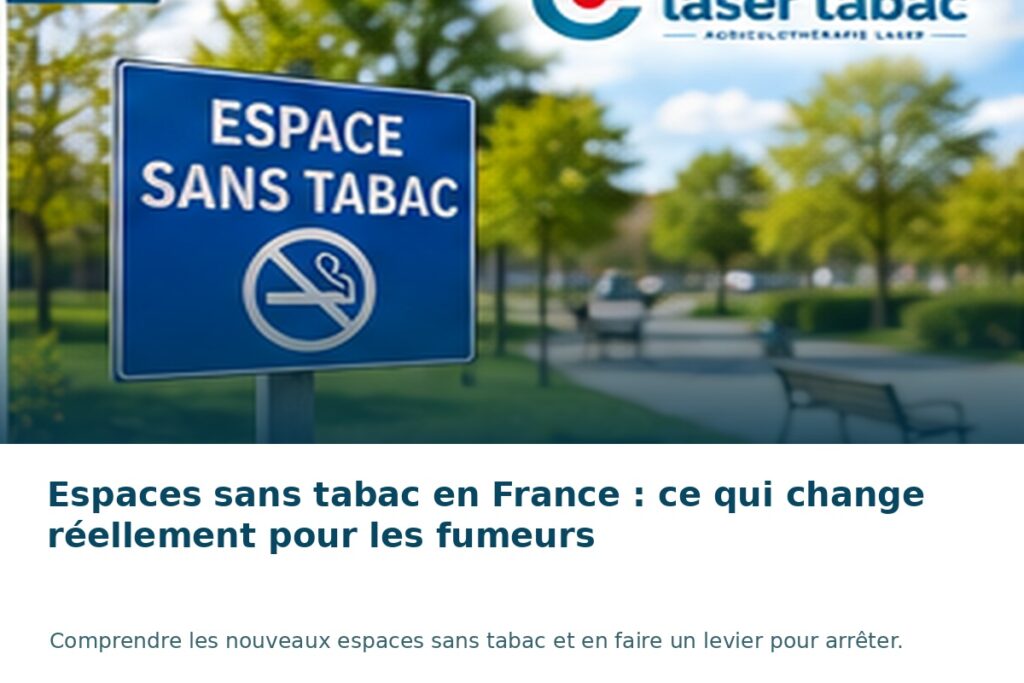
Which locations are affected?
The rules vary depending on national and local regulations. The areas surrounding schools, playgrounds, certain parks, beaches, sports facilities, and places frequented by families are most affected. It is therefore important to check the signage on site and not to assume that an outdoor area automatically allows smoking.
For smokers, this change may seem restrictive. However, it creates periods without cigarettes that allow them to observe their habits: Do they smoke because they genuinely crave it, out of boredom, out of habit, or because the situation encourages it?
Understanding the new smoke-free areas and using them as a tool to help people quit.
How to Use These Limitations as a Catalyst
An external ban doesn’t cure addiction, but it can help break certain routines. Start by identifying the cigarettes you’ve cut out thanks to these spaces: the one in the park, the one outside school, the one on your walk. Then try to consciously extend these smoke-free periods to other times.
Come up with a simple alternative: drink some water, walk for five minutes, chew sugar-free gum, or breathe slowly. The goal isn’t to replace one form of stress with another, but to realize that the urge comes and goes.
The MyLaserTabac Support Program
MyLaserTabac supports motivated individuals who want to quit smoking using laser auriculotherapy. This gentle, non-invasive, and painless method aims to stimulate specific points on the ear to help manage cravings and stress associated with quitting. Results may vary from person to person, and the method is part of a comprehensive approach.
The network also offers support for other addictions or compulsive behaviors, including alcohol, cannabis, sugar, and stress management. In cases of severe addiction, ongoing medical treatment, or concerning symptoms, it is essential to seek the advice of a healthcare professional.
Mistakes to Avoid
Don’t try to systematically avoid every smoke-free zone. Also, avoid compensating by smoking more right before or right after. Finally, don’t view a challenge as a failure—it simply means that more structured support may be helpful.
Practical Tips to Keep in Mind
- Identify the times, places, and emotions that trigger your use.
- Set a realistic goal and a specific date rather than a vague intention.
- Come up with simple ways to cope with cravings: water, deep breathing, a walk, or calling a loved one.
- Seek support if addiction or relapses are getting the better of you.
FAQ
Is smoking allowed anywhere outdoors?
No. More and more outdoor areas are subject to regulations. Local signs must be obeyed.
Do smoke-free areas really get people to quit?
They aren’t enough on their own, but they reduce opportunities to smoke and can raise awareness.
What should you do if the urge becomes too strong?
Step away from the trigger, breathe slowly, drink some water, and remind yourself that the urge is temporary.
Conclusion
The landscape of tobacco use is changing, but addiction remains a personal experience. Understanding the mechanisms, identifying your habits, and choosing the right support can help you move from general concern to a concrete plan. For personalized information, please contact your nearest MyLaserTabac center. If you have a medical condition, are pregnant, have a severe addiction, or are currently undergoing treatment, it is recommended that you seek medical advice.


